Massive Investment Gap in Renewable Energy Infrastructure
To stay on track with global climate targets by 2035, Southeast Asia must attract up to $190 billion in annual investments—five times the current level—according to a recent report from the International Energy Agency (IEA).
The study highlights that building critical infrastructure, including electricity grids and renewable energy transmission systems, will require approximately $30 billion per year, double the current investment.
Southeast Asia’s Growing Energy Influence
The region, home to 9% of the world’s population, contributes 6% of global GDP and 5% of total energy demand, yet captures only 2% of global clean energy investments.
Despite this imbalance, Southeast Asia is projected to become one of the fastest-growing energy markets in the coming decade.
Under existing policy frameworks, the region will account for 25% of global energy demand growth by 2035, ranking second only to India. By 2050, its overall energy consumption is expected to surpass that of the European Union.
Clean Energy Growth Still Lagging
Electricity demand in Southeast Asia is forecast to increase by 4% annually, with renewables—including solar, wind, bioenergy, and geothermal—expected to supply more than one-third of this growth by 2035.
However, the IEA warns that this progress remains insufficient to offset the rise in carbon emissions, which are projected to climb by 35% by mid-century.
“Clean energy technologies are not expanding fast enough, and heavy reliance on fossil fuel imports is putting countries at risk in the future,” said Fatih Birol, Executive Director of the IEA.
Regional Commitments and Emerging Opportunities
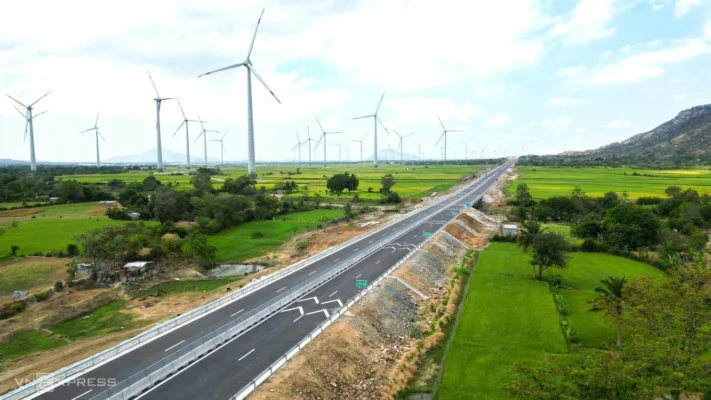
Reversing this trajectory will require stronger alignment with COP28 climate commitments and national net-zero targets. Encouragingly, eight out of ten ASEAN nations have pledged to achieve net-zero emissions in the coming decades.
The IEA report also highlights the economic potential of the clean energy transition in Southeast Asia:
-
Over 85,000 new jobs have been created since 2019 in renewable sectors.
-
Indonesia has become a major lithium-ion battery producer, leveraging its vast nickel reserves.
-
Vietnam, Thailand, and Malaysia now rank among the world’s top solar equipment manufacturers, second only to China.
Driving a Sustainable Future
The growing commitment to clean energy and regional industrial expansion underscores Southeast Asia’s pivotal role in the global energy transition. Strategic partnerships and investment acceleration will be crucial to achieving the region’s sustainability goals and ensuring long-term energy security.
Phiên An (as Reuters, IEA)
Source : https://vnexpress.net/dong-nam-a-can-190-ty-usd-dau-tu-nang-luong-sach-4807024.html




![[TÀI LIỆU ÔN TẬP] CUỘC THI SUNGROW MASTER 2026- Hướng Dẫn Cách Lắp Đặt Inverter Sungrow MGRL Và Battery MBL160](https://xbsolar.vn/wp-content/uploads/2026/08/webinar-tai-lieu-on-tap-cach-lap-dat-inverter-sungrow-mgrl-711x400.png)